Growth requires an organization that works differently.
We’re building it with you at every level.
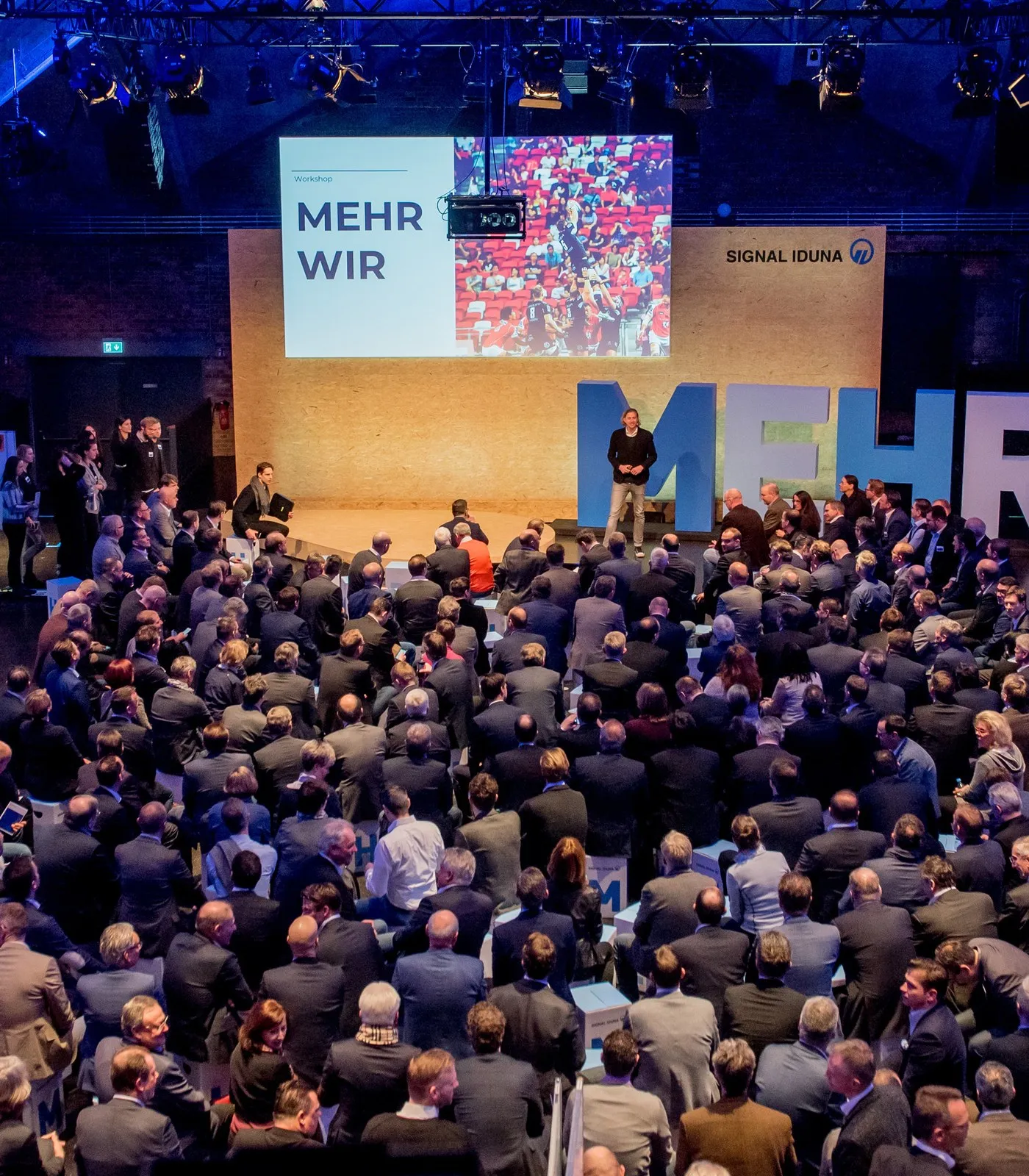
The board knows the question; the mandate sits with the People function: what must people do differently for the growth strategy to succeed? We turn that question into an initiative that truly changes the organization.
The board has understood. Now it’s up to the organization to put it into practice.
This isn’t an HR issue. The question is whether your strategy can even be implemented.
We call it the People Growth Agenda. You might call it cultural transformation, a performance culture, or simply the project that the board has approved.
The trigger is almost always the same: the company isn’t growing the way it needs to. What follows is a strategy that demands certain things from people: faster decision-making, closer customer engagement, more responsibility at the next level down, and a different approach to AI.
And then this strategy comes up against established systems and well-entrenched habits, how development is conceived, how leadership is understood, who makes decisions, and who waits. Reliable in a slower era, but too sluggish for what lies ahead.
That question must be answered by someone with a mandate that extends beyond any single program.
How we work
We don’t start with HR. We start with growth.
The first question in any project isn’t "What program do you need?", but rather: Where does this company want to grow, and how has its growth affected it so far? Three phases provide structure for the journey.
Phase 01
Clarity on where the problem lies.
Focused, challenging conversations with the executive board, business leaders, and the People function instead of an interview marathon.
Learn more
A few focused, challenging conversations with the executive board, business leaders, and the People function, informed by experience at comparable companies and current research. What was previously a feeling becomes concrete: where things get stuck, where change will make a difference, and what comes first.
Phase 02
An agenda that the board visibly champions.
Goals are transformed into projects with a sequence of steps and assigned responsibilities.
Learn more
We start with a question that sparks energy. What would you be proud of in five years? Future scenarios become vision statements; vision statements become concrete plans with a sequence of steps and assigned responsibilities. And an executive board that visibly champions them.
Phase 03
Behavior changes across the organization.
This is where everything is decided.
Learn more
What changes an organization is tens of thousands of people doing things a little differently than they did last year, long enough for it to become a habit.
Five factors must all come together at the same time.
If one is missing, the whole plan falls apart.
01
People understand why.
In a story they pass on. A presentation alone isn’t enough. It also requires communication that sounds different at every level, because a plant manager and a marketing manager don’t have the same questions.
02
Leadership leads by example. Visibly and first.
We structure board interactions so that, by the end, each board member identifies three specific things they will do differently. Open-ended invitations don’t work at this level, but offering options to choose from does.
03
Structures reward the new behavior.
The factor that is most often missing and most reliably throws everything off balance. As long as promotions, performance evaluations, recognition, and meeting routines reward the old behavior, the old behavior will prevail.
04
People can do it.
Enablement where it matters most: in real-world business situations rather than in a training room. Live, hybrid, or digital, whichever format is best suited to reach the audience.
05
It works in every country.
A narrative must work in Oberkochen and in Shanghai, and that is a question of meaning, not of language. What we want to avoid here is “rollout” thinking. Decisions made at headquarters and rolled out to the regions are perceived there as a mandatory exercise. And mandatory exercises don’t change behavior.
Scaling doesn’t mean doing everything ourselves. We train multipliers right where the people are and give them a real mandate. We measure results from the very beginning. And we hand the work over to you as soon as it’s up and running.
What that looks like
From the work of the board to the daily lives of tens of thousands.
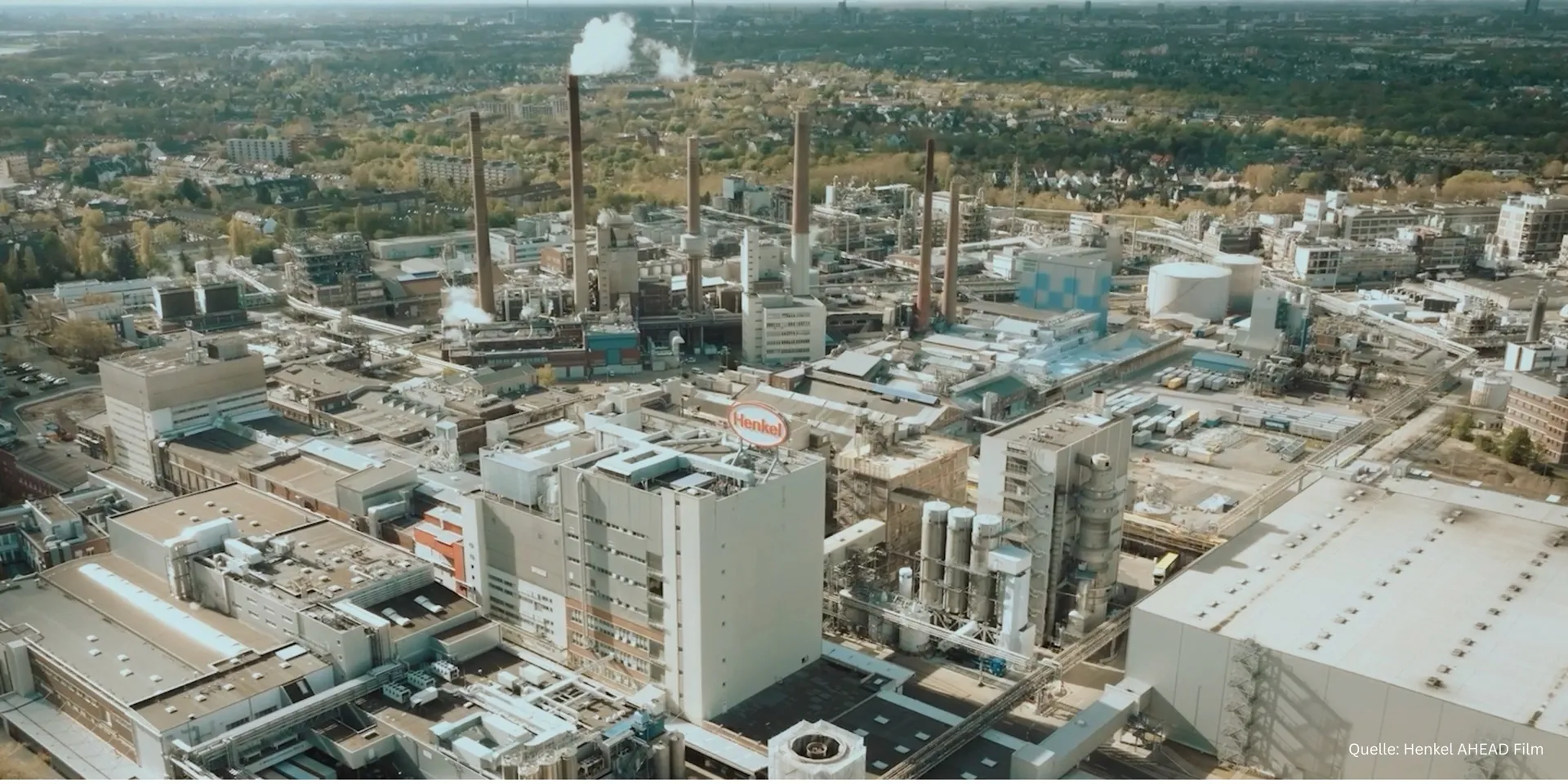
A new foundation for performance and talent management at Henkel
From "Know-it-all" to "Learn-it-all"
Forever Day One is one of our most important partners in our efforts to drive sustainable change at Henkel. Their unique expertise in learning and mindset shift design helps us accelerate change processes at Henkel from our Executive Board all the way down to the manufacturing floor.
Sylvie Nicol CHRO, Henkel
What we build with
How we build our programs
It all starts with an analysis. Where does the organization stand today, and what does the goal require? Based on that, we build a solution tailored to the current situation. These are some possible building blocks.
01 / 05
Vision and agenda
From growth goals to a vision for people development: future scenarios, concrete initiatives, and a roadmap.
Using methods such as Future News, which translate an abstract goal into a narrative that drives the organization forward.
02 / 05
People systems that embody the new behavior
Development, leadership, talent, performance. These systems determine whether growth is possible.
Especially now, when AI is redefining what performance means and goals are changing faster than any annual cycle. We’re rethinking them together with you and introducing them into the organization as change initiatives, not as process updates.
03 / 05
Implementation across the entire organization
Narrative and communication, leadership by example on the executive board, structures and routines, enablement, multipliers, measurement.
04 / 05
The People function itself
The ultimate consequence of any agenda: the function responsible for it changes too.
To that end, we ask the uncomfortable question: Do your processes still make sense when viewed from the perspective of their purpose rather than their history? And from there, we rebuild. Radical in our thinking, patient in our implementation. Most projects reverse that order.
05 / 05
When a lever needs its own plan
Some levers require their own program and special focus.
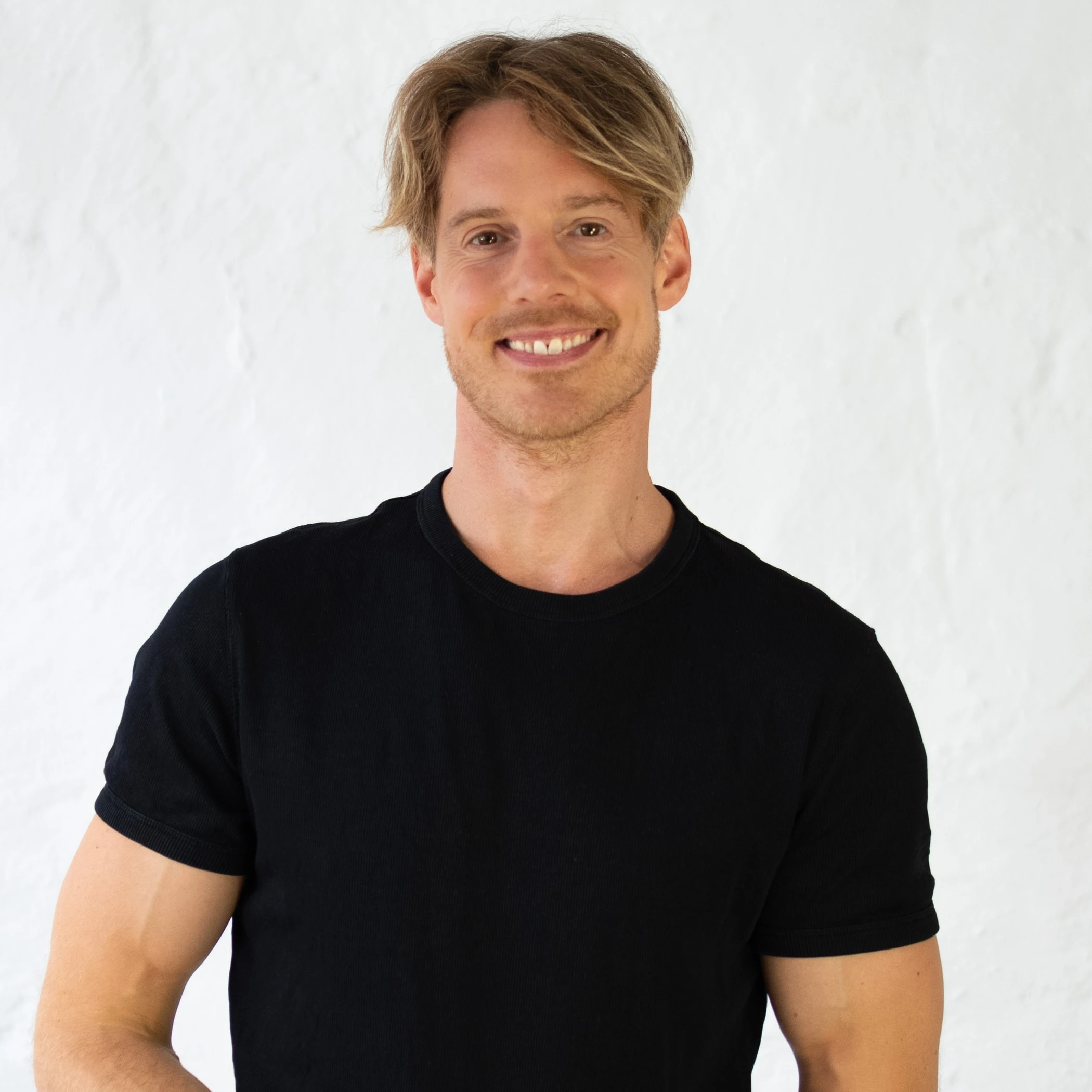
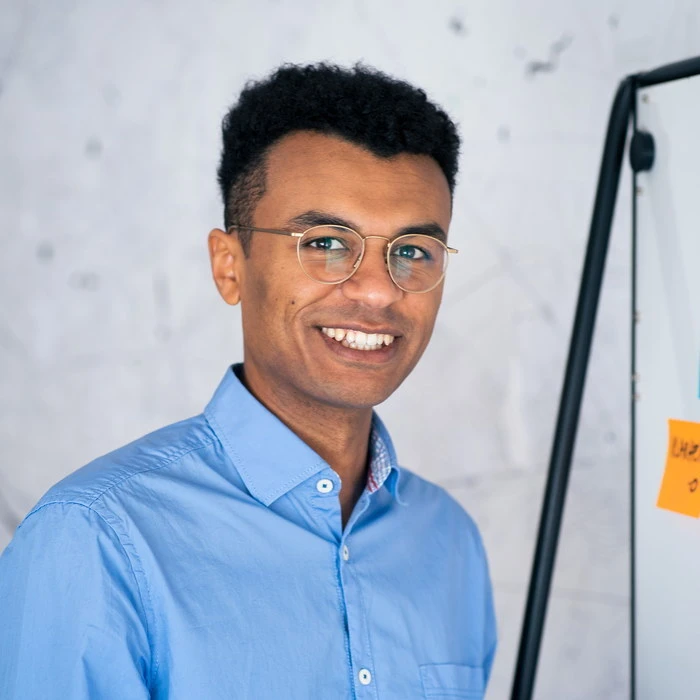
Tobias is a co-founder of Forever Day One and helps organizations build the skills and systems they need in an AI-driven workplace. His work combines learning design, human performance, and technology adoption. At Porsche, he launched the #neverstoplearning initiative.
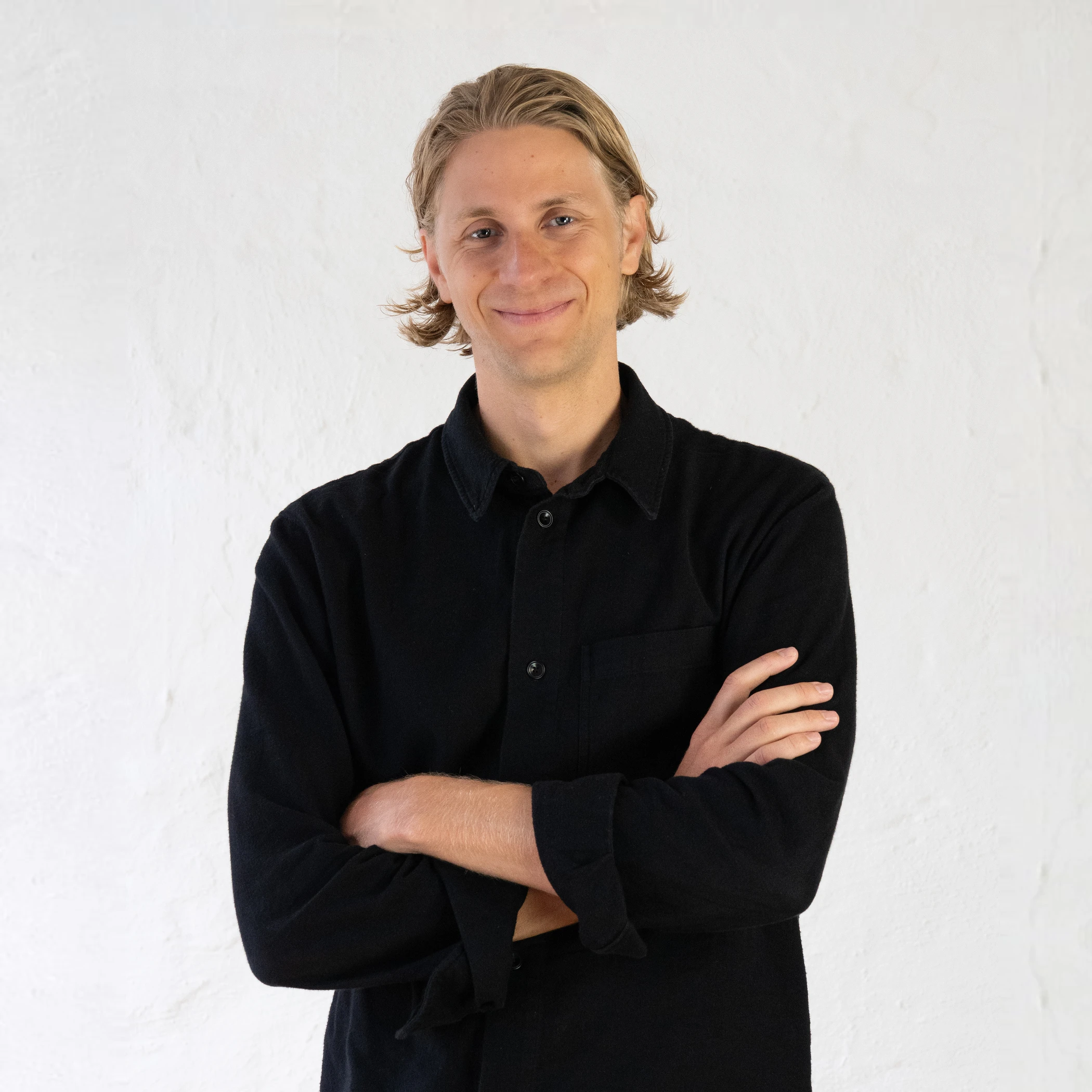
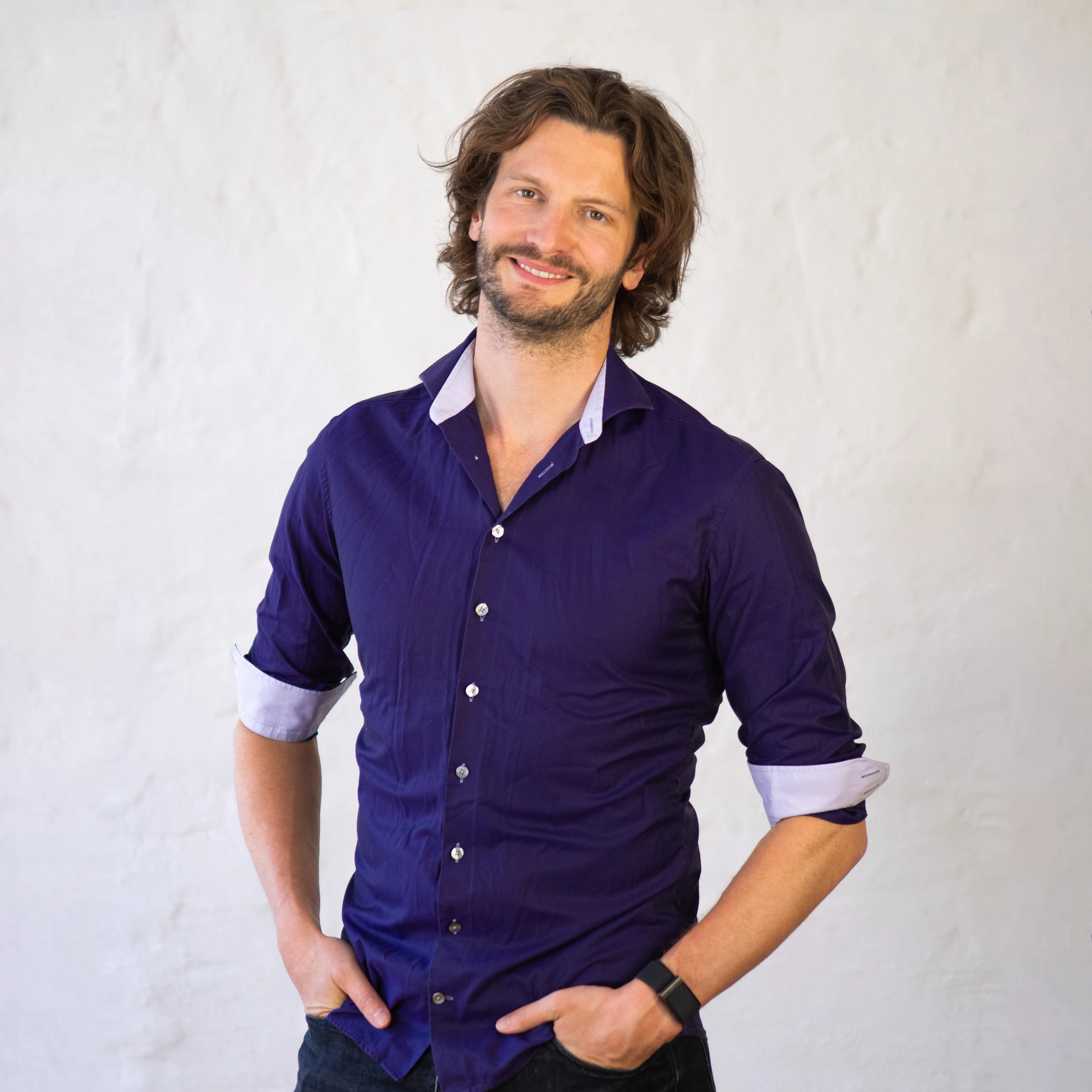
Moritz is a co-founder of Forever Day One and advises CEOs and leadership teams on strategy, culture, and transformation. He helps organizations develop future-proof leadership models and effectively transform their leadership practices.
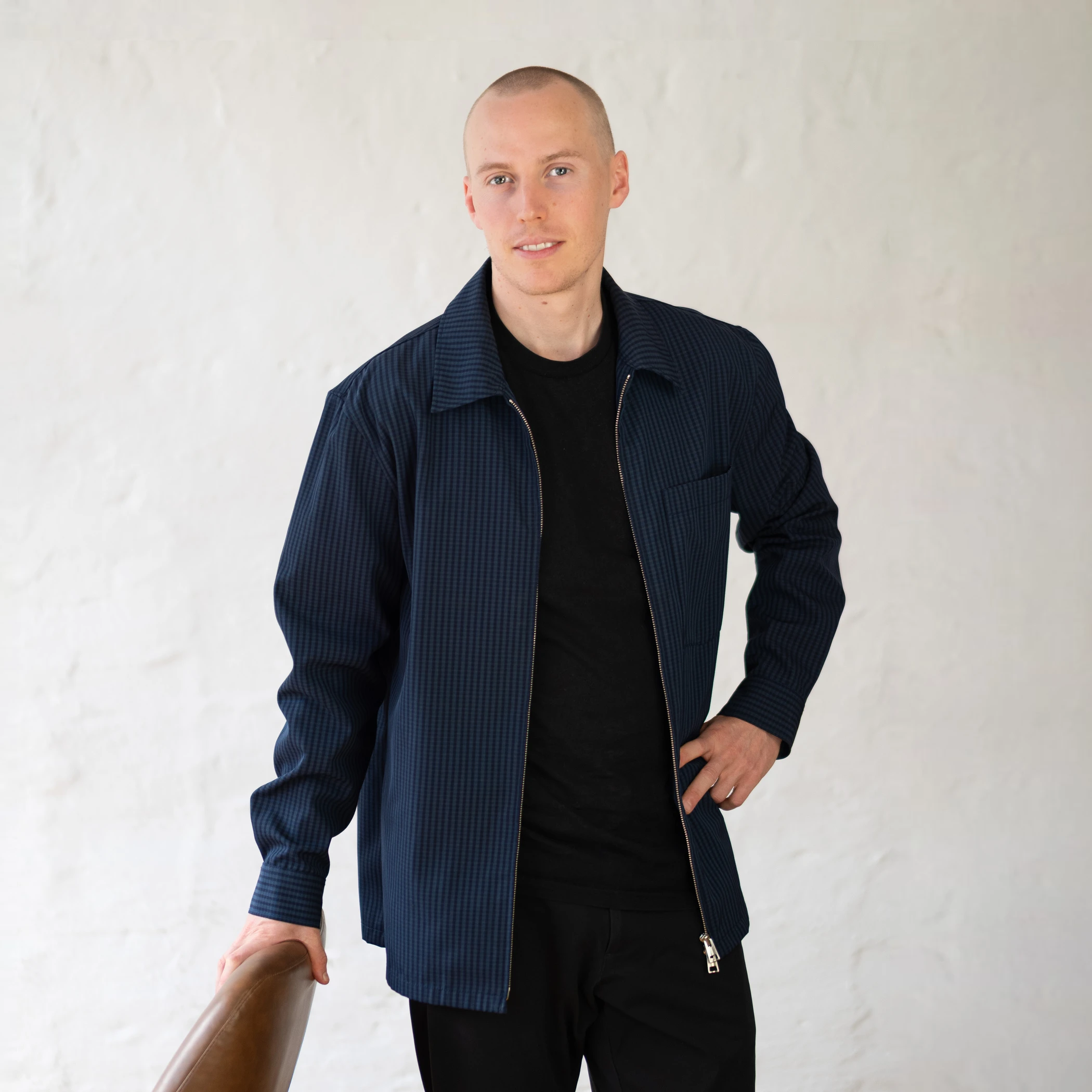
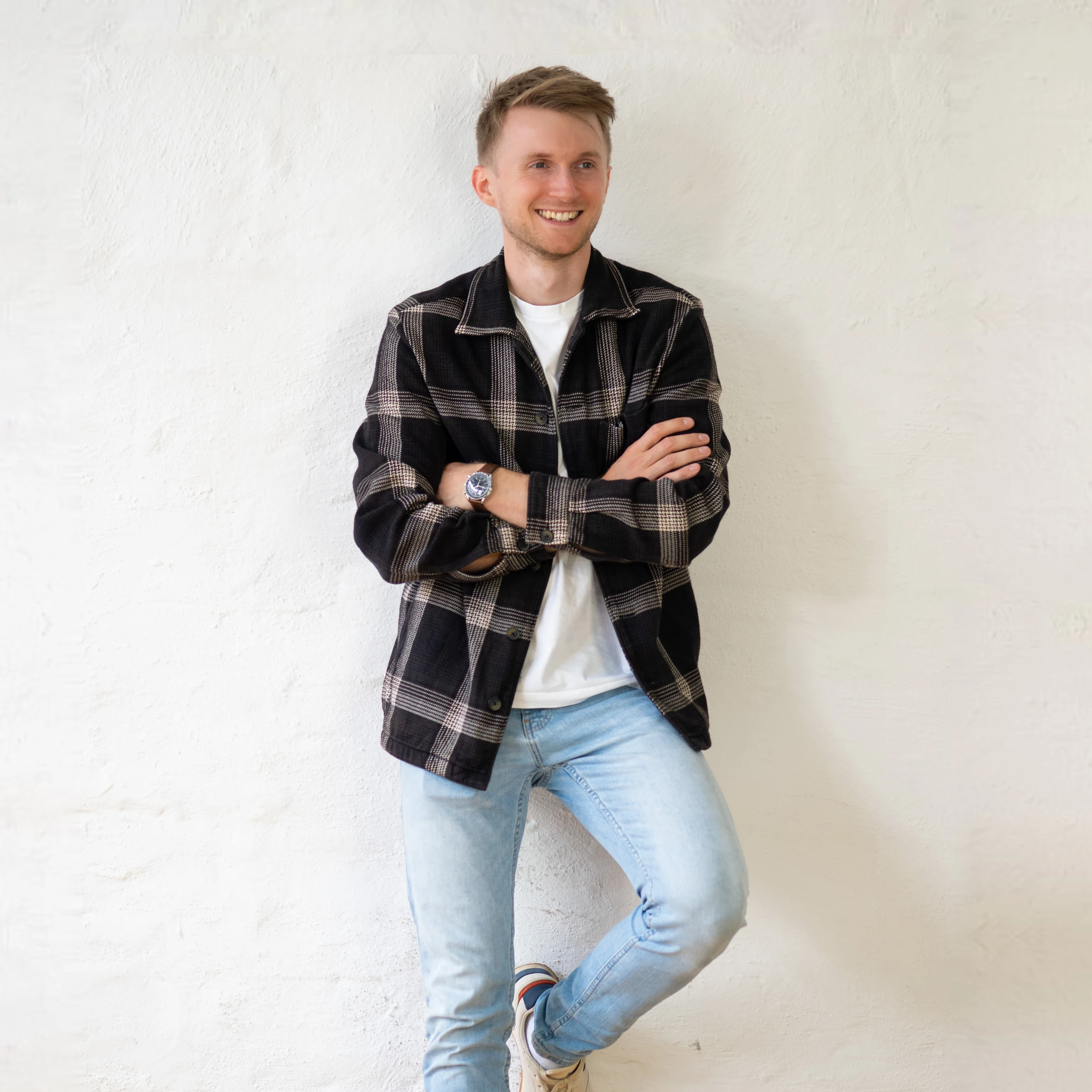
Hannes is a co-founder of Forever Day One and an expert in executive leadership development. He supports companies through every stage, from strategy and planning to delivering keynote speeches. He led a transformation initiative for 1,700 senior leaders at an automaker.
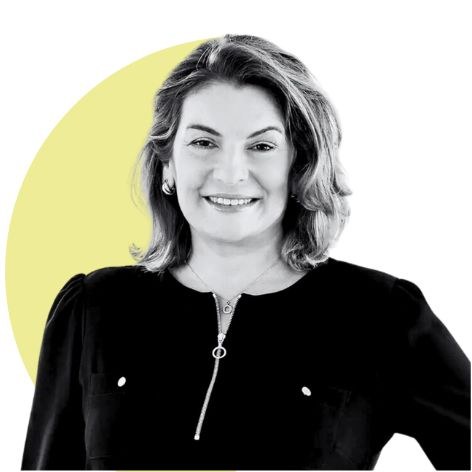
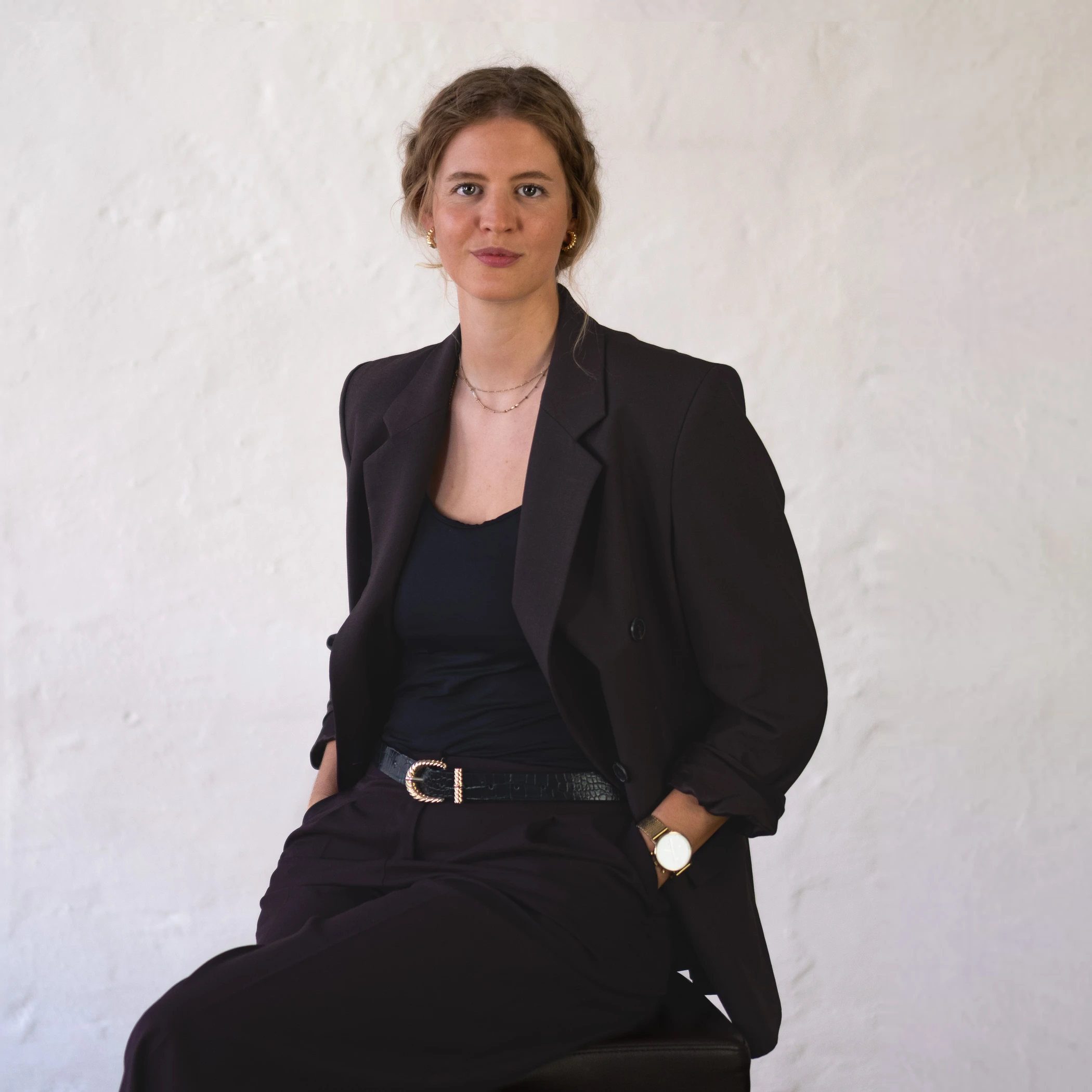
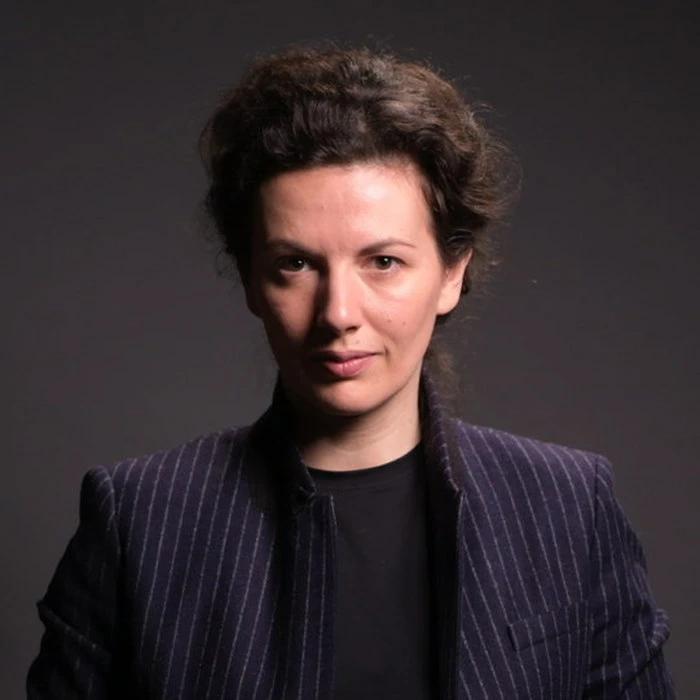
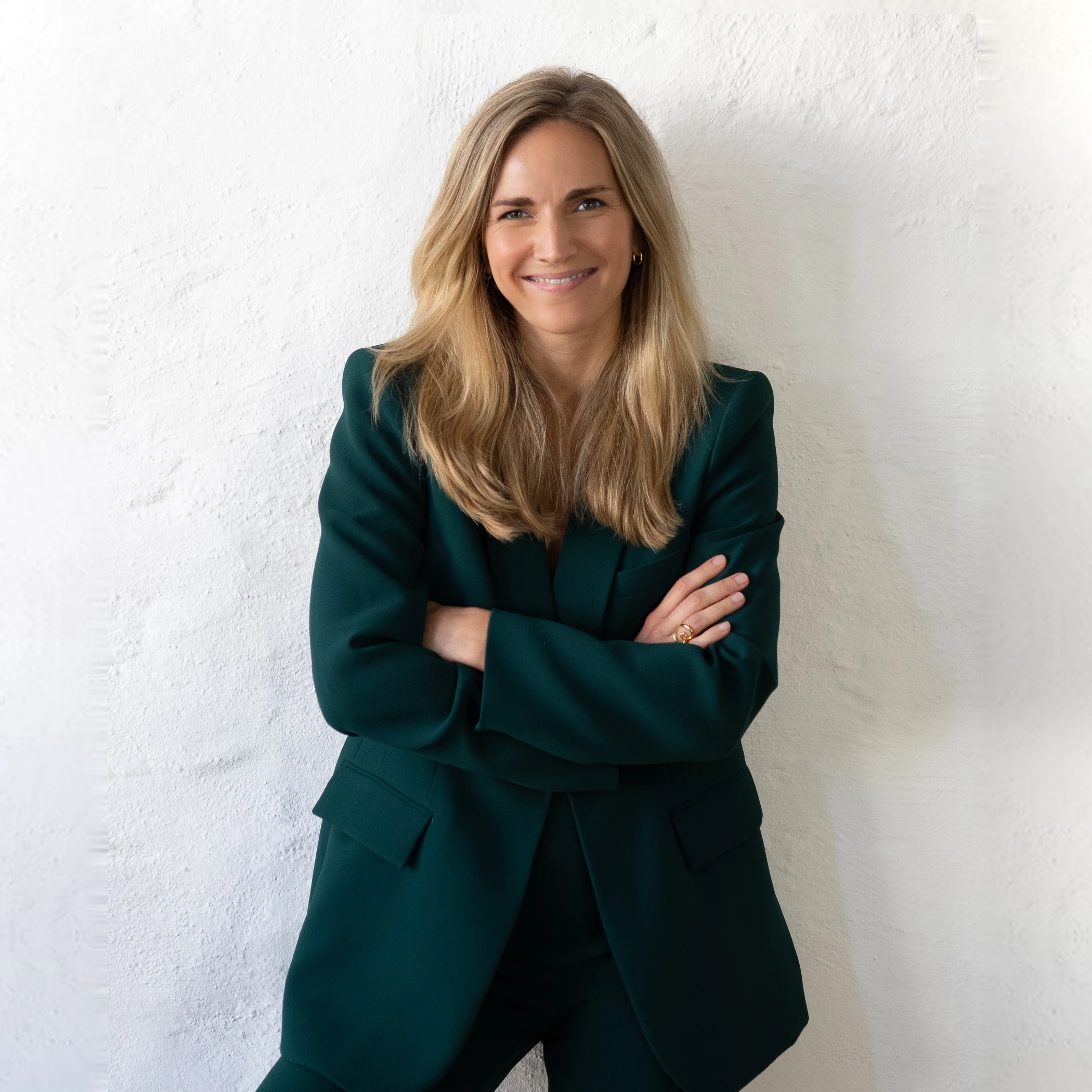
Maren is the CFO of Forever Day One and oversees finance, human resources, legal, and operations. As part of the management team, she has restructured the company financially over the past two years and is driving its transformation into an AI-first consulting firm. She has already founded two other companies, contributes her expertise on financial matters and resilience to client projects on an ad hoc basis, and oversees the content of projects promoting democracy in education.
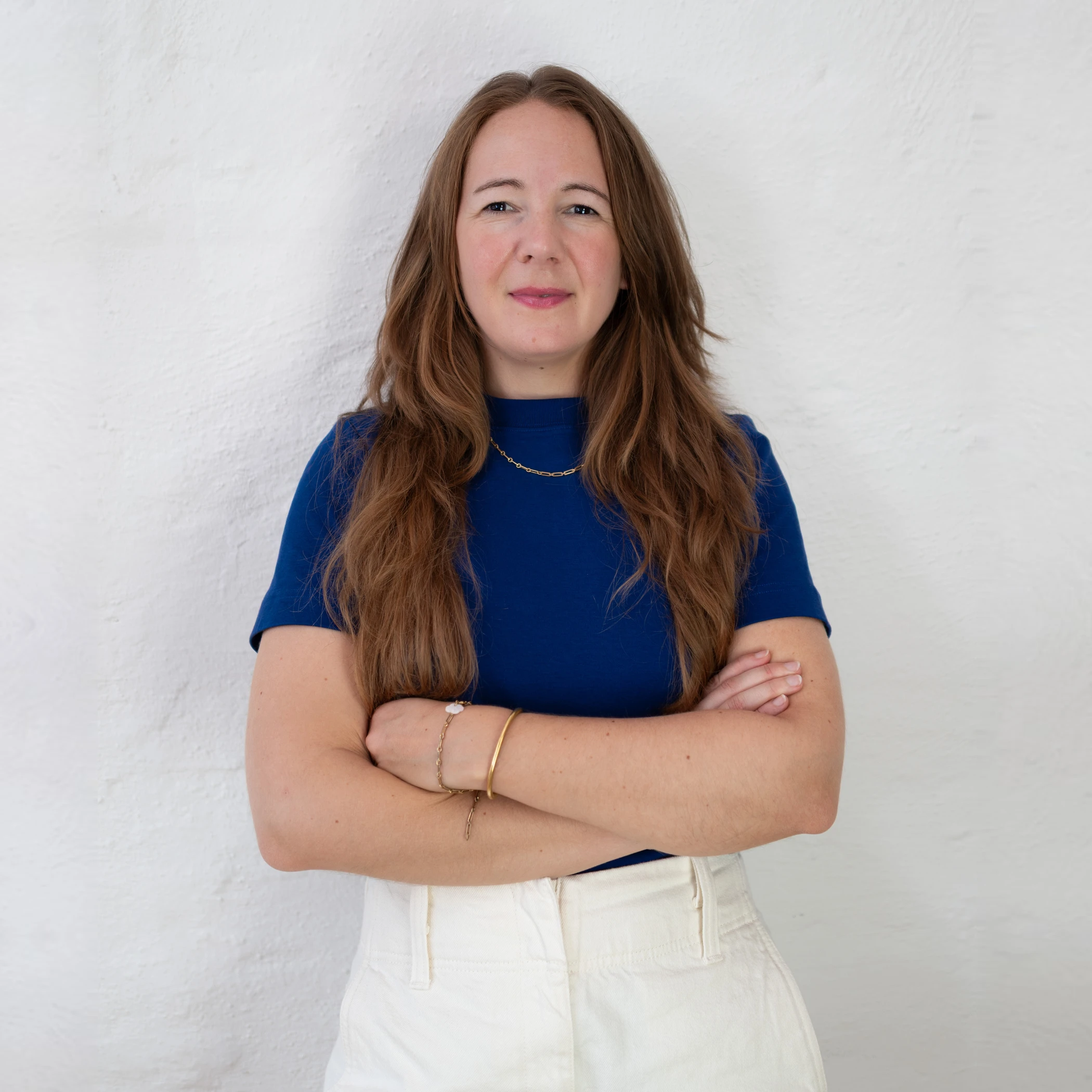
Charlotte supports organizations from the diagnostic phase through to implementation in day-to-day operations. She brings many years of experience in organizational and cultural development and supports organizations and leaders through transformations, from startups to large corporations.
Felix is an expert in self-determined motivation and has a background in sports psychology coaching. His focus is on helping people reach their full potential through effective learning experiences. He coaches leaders and elite athletes on performance and development.
Johanna has over ten years of experience working in large corporations, medium-sized companies, and startups. As a trainer and coach, she is committed to creating a people-centered work environment and fostering targeted professional development. She co-developed a digital product designed to help employees upskill.
Pablo has been working as a freelancer and coach with Forever Day One for over five years. His experience in design thinking, agile coaching, and innovation coaching helps him find the right approach for every team.
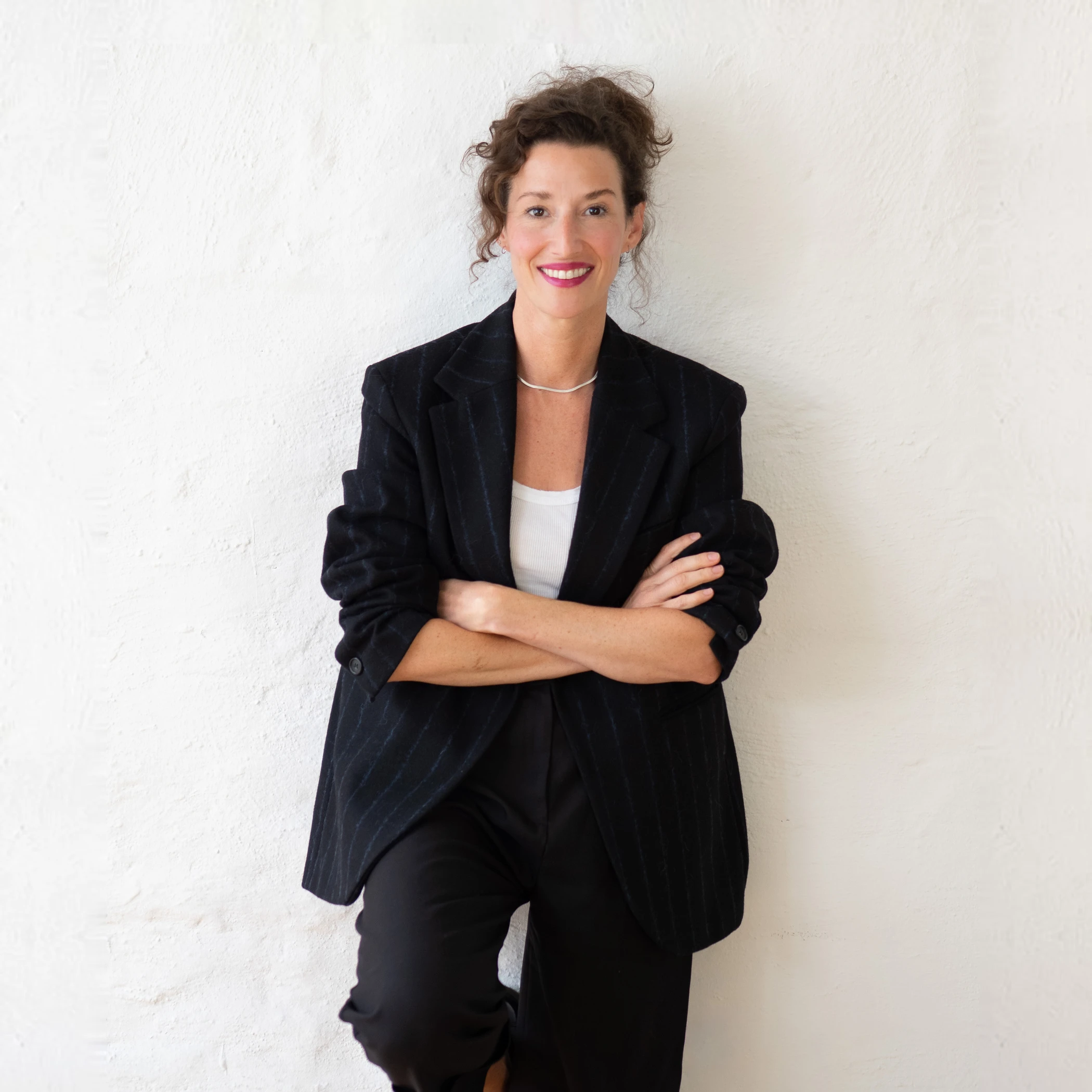
As a consultant, Tina identifies the hidden dynamics and systemic weaknesses that hinder an organization’s development. She systematically examines corporate cultures, evaluates them thoroughly, uses these insights to develop sustainable structures with a clear identity, and supports leaders at the management and C-suite levels.
Benjamin is responsible for building AI competence across the entire company and brings an “AI-first” perspective to all projects. He builds prompt infrastructures and integrates AI tools into client work. Prior to this, he established the project management framework for learning products.
Tanja is responsible for Forever Day One’s communications strategy and produces the "Good Morning L&D" podcast. She develops communications and engagement strategies for complex client transformations and drives change through precise messaging.
Strategy & Project Development · Young Empowerment
Wiebke is responsible for strategy and project development at Young Empowerment. She oversees projects from the first idea to implementation, manages project processes, works closely with partners, and handles the division’s finances. She joined in 2021 and helped build the core format “HORNBACH macht Schule” from the start. Together with the team, she develops further projects, including “Botschaften, die gehört werden wollen” with Lamy.
As the Head of Partnerships and Communications at Young Empowerment, Levy’s work focuses on building collaborations that have a long-term impact on young people. Levy has several years of experience in designing and implementing communication projects and brings a strong network of education professionals from his own startup in the education sector.
Lina is responsible for the pedagogical design and content of Young Empowerment’s educational programs. She develops effective learning formats that strengthen young people’s self-efficacy and empower them to take charge of their own futures with courage and creativity. She is also responsible for selecting, staffing, and supervising the freelance coach.
Impact Measurement & Community · Young Empowerment
At Young Empowerment, Marianna is responsible for project management, impact measurement, and marketing and communications. Through targeted process management, she ensures smooth operations and oversees the organization’s core programs as well as projects such as “HORNBACH macht Schule.” She also builds the community through various communication channels and highlights the effectiveness of the programs.
Anke supports Forever Day One as a Finance & Accounting Assistant with financial and document processes as well as internal organization. She ensures that invoicing, document management, office operations, and team organization run smoothly.
Alexander combines a scientific understanding of human behavior with technical competence in AI-driven work. With a background in clinical psychology and data science, he helps develop client pitches and program content.
Before we start, we define how to recognize impact and establish a baseline before the first format begins. Then we measure at three levels.
Is it being used?
Do people take part in the initiatives, and do they find them useful? This is the simplest level, and often the first to reveal an uncomfortable truth.
Does behavior change?
Do the desired behaviors appear in real business situations? They need to be visible where decisions are made.
Is it worth it?
Does the behavioral change have an impact on the goals that matter to the board: speed of decision-making, customer focus, and collaboration across silos?
We look forward to talking with you.
Tell us what your organization is working on. We’ll arrange an introductory conversation to get to know each other.
Moritz Ettl
Your point of contact for the People Growth Agenda